MailChimp Consulting and Training

Teleclinic Locator

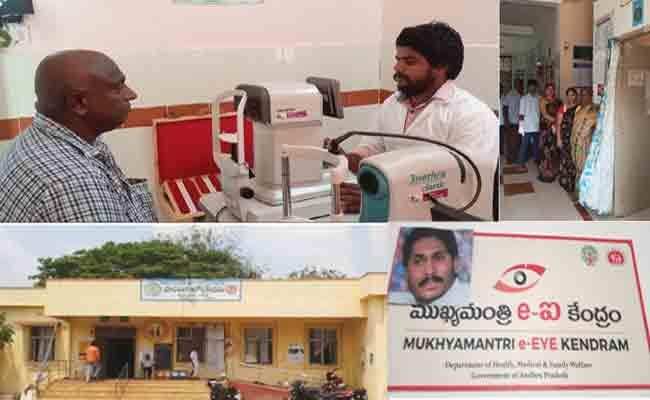
Eyeing for a better tomorrow with Tele-Ophthalmology Services in rural areas

In an overpopulated country like India, the ophthalmologist to patient ratio stands at a sombre 1:100000. Add to it, the fact that the country also has the highest number of blind people in the world and 70 per cent of the population lives in rural areas – there’s no reason we shouldn’t be worried.

How telemedicine is expanding the reach of the Indian healthcare system?

With increasing internet penetration in remote areas and acceptance of technology as a great enabler towards better healthcare, telemedicine is expected to witness a major boost over the coming years

Wellness at workplace: Why corporate companies must leverage telemedicine to facilitate their employee’s health?

Being healthy has often been associated with the absence of diseases and not the overall state of wellbeing of an employee. Apart from physical health, mental health, for example, has always been an area of neglect for employers. However, with the inception of the pandemic in 2020, employers began to take cognizance of such concerns to provide their employees with a comprehensive wellness program, facilitated mostly through digital technologies like telemedicine.

World Hepatitis Day 2022: Know symptoms, treatment and tips to curb viral disease

AI In Telemedicine: Reimagining Indian Healthcare Future

With the rising burden of non-communicable diseases and the ongoing pandemic, the increasing use of telemedicine services along with AI-powered capabilities is expected to open the doors to further evolution in healthcare

TTAADC has launched MMU in collaboration with the Apollo Hospitals

All about the rare condition of complete diphallia

A two-year-old boy in Brazil got one out of his two penises surgically removed. The kid suffered from a rare, congenital condition called complete diphallia which causes infants to be born with two penises.

Pandemic-driven advancements in diagnostic system

World Health Day

World TB Day

man sleep

Good Nidra programme to treat sleep apnea

Global Virtual Meet

22nd Anniversary Celebrations of the formal inauguration of the world’s first VSAT enabled village Hospitals at Aragonda, A.P., India

Vaccination

Digital Health & Technology takes centre stage in Budget 2022

What Health Sector Is Expecting From FY22-23 Budget

The ongoing COVID-19 pandemic has exposed several gaps in public health systems in many countries, including India. Despite multiple challenges, India has been dealing with the health crisis much better than other large countries.

The country brought many reforms and policy level changes to address the issues. The Indian government launched production linked incentive (PLI) schemes for domestic manufacturing of critical Drug Intermediaries (DIs), Key Starting Materials (KSMs), Active Pharmaceutical Ingredients (APIs), and Medical Devices, a scheme for creation of four Medical Device Parks, the National Digital Health Mission (NDHM), etc. But the healthcare industry still needs a better support for sustained growth.

As the countdown for the from Union Budget 2022-23 begins, experts from the healthcare, pharma and diagnostics industry have shared their expectations from this year’s Union Budget. Apart from increasing the health expenditure above 2.5 per cent of GDP, industry experts expecting some reforms like incentivizing private investment in healthcare infrastructure, expanding health insurance coverage, investing in increasing healthcare manpower and skilling and rationalising GST on healthcare products and services in the upcoming budget of 2022-23.

Following are budget expectation quotes from industry experts:

More specific allotments in telemedicine sector

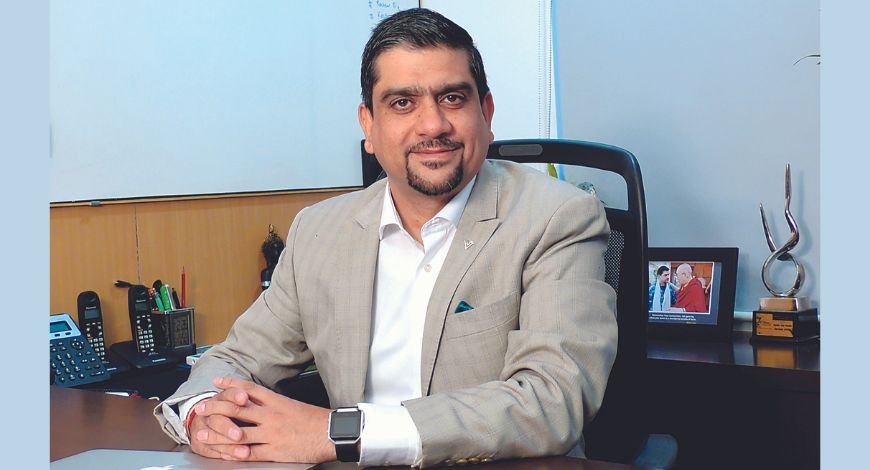
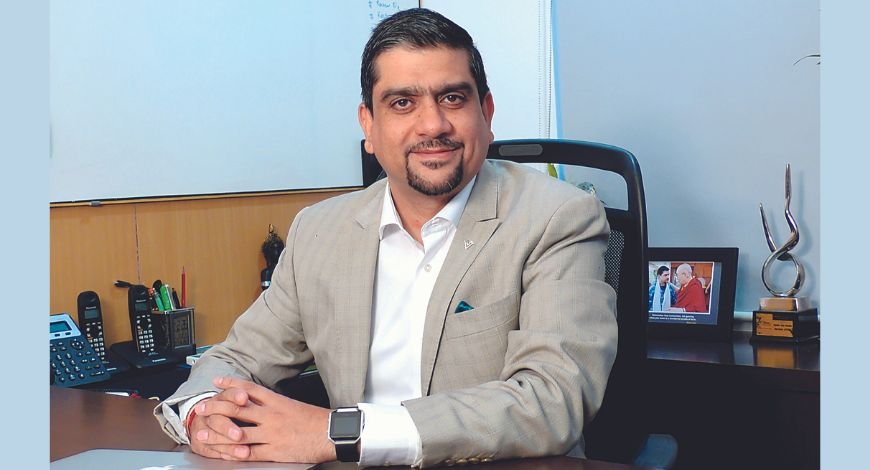
Vikram Thaploo, CEO of Apollo Telehealth (A unit of Apollo Hospitals Group), said, “The health sector is expecting more specific allotments in this year’s budget to mitigate COVID-19 and help in the growth of the telemedicine sector.”

“The telemedicine segment is growing at a rapid pace and in the future, we are expecting more technological innovations to take place in the industry therefore, the budget should be well allocated to the healthcare sector to initiate new innovations to be prepared for the fight with pandemics like covid-19 in the future. It is important especially in a country like India where digital health can truly provide care to areas with short supply of doctors. Increased allocation of budget for promotion of telemedicine, home-based healthcare and national digital health mission implementation will help in building a strong healthcare ecosystem in the country.”

How many times can one get reinfected with Covid-19?

Covid-19 Omicron wave: Doctors say it’s not that the antibodies do not work, but there is a possibility that they “may not be sufficient antibody response to the infection”, due to which the person may not develop adequate immunity and his body is prone to infection again.

Of late, many cases of individuals being re-infected with Covid-19 have been reported, prompting health authorities to once again stress on the need to continue taking precautionary measures. As such, fresh guidelines to curb the spread of Covid-19 and its variants including Omicron have also been issued.

In light of the same, its essential to understand why reinfection after recovery — and in some cases double vaccination — is still happening, and what can be done. ALSO READ |Health Ministry revises guidelines for management of adult Covid-19 patients; know more here

What is Covid-19 reinfection?

According to US’ Centers for Disease Control and Prevention (CDC), reinfection is when a person gets infected once, recovers, and then gets infected again. According to experts, based on what is known from similar viruses, some reinfections are expected. Ongoing Covid-19 studies will help us understand:

*How likely is reinfection?
*How often reinfection occurs?
*How soon after the first infection can reinfection take place?
*How severe are cases of reinfection?
*Who might be at higher risk for reinfection?
*What reinfection means for a person’s immunity?
*Whether a person is able to spread Covid-19 to other people when reinfected Also on testing |ICMR issues fresh Covid-19 guidelines on who needs to get tested, who doesn’t

In an AIIMS Delhi study, two doses of indigenously developed Covid-19 vaccine Covaxin were found to be 86 per cent effective in preventing Covid-19 reinfections in Indian healthcare workers (HCWs) during the second wave that was driven by the Delta variant. The study was published in JAMA Network Open journal.

Another National Center for Biotechnology Information (NCBI) study suggested that prior infection in patients with Covid-19 was highly protective against reinfection and symptomatic disease. This protection increased over time, suggesting that viral shedding or ongoing immune response may persist beyond 90 days and may not represent true reinfection. As vaccine supply is limited, patients with known history of Covid-19 could delay early vaccination to allow for the most vulnerable to access the vaccine and slow transmission, the November 2021 study mentioned.

Experts have noted waning immunity in patients who have recovered from Covid-19. Does that make people more vulnerable to reinfections?

Dr Sulaiman Ladhani, consulting chest physician, MD Chest and Tuberculosis, Masina Hospital, Byculla, Mumbai, believes “cases testing repetitively positive are very rare”. “Even if such cases are seen, it could be in a setting where there is high exposure for people, like healthcare workers, or those with multiple co-morbidities or extremely low immunity. But this is very rare,” he said.

Dr MD Mubasheer Ali, senior consultant, Apollo Telehealth said, “Large-scale serological screening with validated tests will identify individuals who may have protective immunity to infection and a better measure of disease activity. It is highly unlikely that Covid-19 infection strikes the person twice in a short window.”

Reinfection with Covid-19 or SARS-CoV2 is said to be a matter of scientific discussion. As of now, it is not clear whether a person who has been infected once develops permanent immunity against the disease, or can get reinfected. An understanding can help decide intervention strategies required to control the spread of the disease which can aid in assessing how long people will have to depend on masks and physical distancing, as well as vaccinations and precaution doses.

According to Dr Bipin Jibhkate, consultant critical care medicine, and ICU director Wockhardt Hospitals, Mira Road, a person can “test positive twice or thrice a month as the deadly virus is still present in the body”. Also on Covid-19 |Why Paracetamol is not recommended for teenagers post Covid vaccination

“It takes around 30 days on average for the virus to disappear after one exhibits the symptoms of Covid. It can be present for a longer time when it comes to the older population or one having a severe illness. Testing positive again and again can be shocking and worrisome for the patient, but that doesn’t mean he/she is contagious and will transmit the infection to others around. They may not have an active infection at that time. Those who keep testing positive need to follow Covid-appropriate behaviour: wear a mask, maintain social distancing, and sanitise hands. Be at home, do not allow any visitors at home,” said Dr Jibhkate.

So, do antibodies not work?

It’s not that the antibodies do not work, but there is a possibility that they “may not be sufficient antibody response to the infection”, due to which the person may not develop adequate immunity and his body is prone to infection again, asserted Dr Ladhani.

According to Dr Vishal Wadhwa, head, quality assurance MD., D.N.B Microbiology, Metropolis Healthcare Ltd, SARS Cov-2 is a highly mutable virus and has gone over 33 lakh mutations by now. “Usually, a mutation leads to viral death but rarely it encodes for a survival advantage and ensures enhanced transmission/severity of infection and immune escape. Vaccines/infection create two types of the immune responses. One is humoral (antibody) and the second is cell-mediated. Immune escape happens when the mutation occurs at the S gene which codes for the spike protein. Due to this, the existing humoral antibodies are not able to counter the fresh invasion and a person suffers from an infection; cell-mediated immunity comes into play later and is not able to prevent occurrence,” explained Dr Wadhwa.

Agreed Dr Arunesh Kumar, HOD and senior consultant- pulmonology, Paras Hospital Gurgaon and explained how “one can get Covid positive multiple times because what Covid test detects is one particular Covid infection episode”. “Like other viruses, SARS COV-2 too mutate. Mutations mean they modify their genetic core, which is essentially the nucleus of the virus. When it changes the core material, it starts behaving like a new virus and that’s why our immunity doesn’t recognise them as the same Covid virus, which we had been infected with previously,” noted Dr Kumar. Also on testing |Covid testing at home: A step-by-step guide for using diagnostic kits

In light of cases of Omicron, a highly contagious virus, what are the possibilities? “Omicron has shown at least 47 mutations affecting all the regions of its genome including spike protein. Which means there will be an immune escape phenomenon leading to reinfections and also there will be a failure to detect SARS COV-2 by few PCR kits. In addition, there will be chance that patients will fail to respond to monoclonal antibodies and existing anti-viral antibiotics (due to mutations in the non-structural protein encoding region as well),” elaborated Dr Wadhwa.

Dr Kumar stated that another possible reason could be that the virus hasn’t been “cleared from the throat”. “Even if you’re not sick or unwell, you may still be harbouring the virus in your throat which is picked up by RT-PCR test,” said Dr Kumar.

So, what can be done?

As per Dr Wadhwa, safety precautions (protective equipment, social distancing etc.) and vaccination doses, booster dose/precaution dose can help. “These boosters will have to be taken till the time virus keeps mutating and throwing variants of concern (VOC) to us,” Dr Wadhwa noted.

Budget 2022: Medical experts demand increased expenditure, investment in innovation

New Delhi: The onset of a public health emergency highlighted the weak links in India’s healthcare industry with the subsequent widening of the gap in its accessibility. The rise in both COVID and Non-COVID patients led to an increased number of people seeking medical treatment. While steps like National Digital Health Mission (NDHM), domestic manufacturing of pharmaceutical ingredients, telemedicine services announced by the government can help in improving the current status of healthcare, medical experts suggest that the health sector needs more investment to meet the requirements. The rampant surge in COVID cases during the third wave that India is facing currently has brought sharp focus on allocations that will be made for healthcare in budget 2022.

Talking about expected allocations in budget 2022, Dr H Sudarshan Ballal, Chairman, Manipal Hospitals said, “We expect increased allocation for healthcare in budget 2022 since we still have a lot of ground to cover in our expenditure on healthcare. There is a need to spend on strengthening our primary healthcare system which is the backbone of healthcare in India, public healthcare, preventive healthcare in addition to nutrition in children, and aggressive vaccination campaigns to include COVID-19 vaccination for all. We also need to strengthen the public healthcare system by upgrading the infrastructure and personnel at government hospitals

Further highlighted that there is a need to invest more in diagnostics labs, set up more medical colleges especially in underserved areas and invest in technology to bridge the rural-urban divide in healthcare and make healthcare available for all in the country by expanding our universal healthcare schemes.

What healthcare sector expects from Union Budget 2022

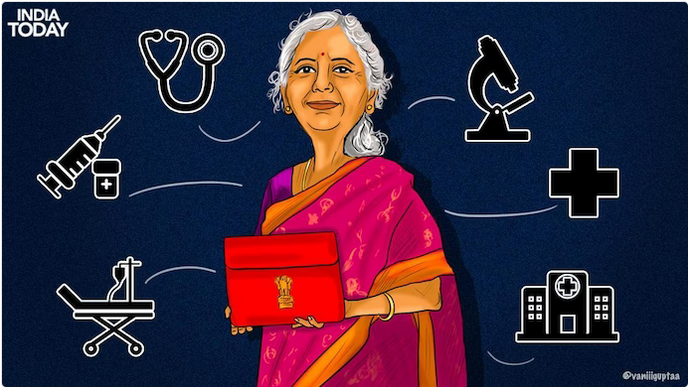
Union Budget 2022: As Union Finance Minister Nirmala Sitharaman is scheduled to present Union Budget 2022 on February 1, the healthcare and diagnostics sector has pinned hope of an increase in the allocation in view of the pandemic that has been full of transitions. Health, at present, has become the biggest priority for people and nations alike. In India, the pandemic exposed several gaps in the existing healthcare infrastructure. However, the government has been quick to come up with reforms and policy levels to address the issues. 

As per the Union Budget 2021-22, the total public health sector allocation stood at 1.2 per cent of the gross domestic product (GDP). According to the FICCI and KPMG report titled ‘COVID-19 Induced Healthcare Transformation in India’, released late last year, the country needs to raise public health spending to 2.5 – 3.5 per cent of GDP to support healthcare transformation. “With a healthcare spending of 1.5 per cent of India’s Gross Domestic Product (GDP) in 2018-19, there is a need to increase the public health spending to 2.5 – 3.5 per cent to support healthcare transformation,” said the report and highlighted the need to incorporate alternative financing models to address the financial gaps in the health sector.

When it comes to policy level, the government issued a notification about the retail sale of drugs at doorstep, issued telemedicine guidelines, launched production linked incentive (PLI) schemes for domestic manufacturing of critical Drug Intermediaries (DIs), Key Starting Materials (KSMs), Active Pharmaceutical Ingredients (APIs), and Medical Devices. To increase competitiveness and improve the availability and affordability of medical devices, a scheme for the creation of four Medical Device Parks was also introduced The government also announced the launch of the National Digital Health Mission (NDHM).

On January 16, 2021, Prime Minister Narendra Modi launched the Covid vaccination drive for two domestically produced vaccines — Covishield and Covaxin. Despite all these efforts, the healthcare industry is still in need of better support for sustained growth. Here are some of the expectations of the healthcare industry from Union Budget 2022-23.

Ashok Patel, CEO and Founder Max Ventilator, India’s leading ventilator manufacturer, said that apart from the need to raise the share of healthcare as a proportion of GDP to at least 2.5 per cent in the upcoming budget, the government must also further build on its earlier policy incentives such as PLI schemes and dedicated medtech parks by increasing allocations. 

Investment In Genetic & Genomic Research

“In fact, the government should ensure that the smaller medical device players also get included and can benefit from the special schemes and offers that it has extended with a view to catalyze domestic manufacturing and to achieve the larger goal of self-reliance. Given the repeated occurrences of infectious diseases of epidemic scale in recent years, the government should also invest sufficiently into genetic and genomic research, epidemiology and vaccine research besides increasing allocation for broader healthcare R&D,” Patel said.

The diagnostics and preventive health device segment must be given as much policy and financial support as possible, he said.

Nikkhil K Masurkar, Executive Director, ENTOD Pharmaceuticals, said that the pharmaceutical and medical devices industry has gained a significant momentum owing to the government’s AatmaNirbhar Bharat initiative. The Union Budget 2022 is expected to build on the Production Linked Incentive (PLI) schemes and encourage continued investments in capacity expansion of sensitive APIs, drug intermediates, complex excipients, biopharmaceuticals and medical devices. 

Focus On In-House R&D

“While the draft R&D policy focuses on creating an ecosystem for research and innovation, certain tax incentives for the investment in ‘R&D focused funds’, set up for R&D based activities, could be introduced. India should participate in the innovation area at a global level. Along with a scheme similar to the PLI, the government needs to consider tax incentives to attract innovation,” Nikkhil said.

Interaction with industry and global players can help India’s pharmaceutical sector to move from a generic manufacturer to an innovator developer and manufacturer for the world. Apart from that, Technology/digital transformation is another key area of focus. In fact, it would be the building block for the much-expected universal healthcare in India. 

Presently, GST on drugs is taxed under four categories – nil, 5%, 12% and 18%. While a few life-saving drugs are taxed at nil rates, some are taxed at 5 per cent and the majority fall under the 12 per cent GST slab. Extensions of a tax deduction on product development and R&D are some of the other demands of the pharmaceutical sector. 

“The industry also seeks a 150% deduction in tax on in-house R&D,” he said.

Boost To Telemedicine,Digital Healthcare Sector 

Another sector that talks in recent times are the telemedicine sector where experts are expecting more specific allotments in the budget and help in the growth of the sector. Telemedicine has the potential to improve access to healthcare in remote and rural areas. Home-based healthcare can reduce burden on limited healthcare facilities. 

Vikram Thaploo, CEO of Apollo Telehealth, said that digital health along with various innovations should be encouraged. The government should also support private players and startups in this segment to increase the current coverage of the locations including tier-2 and tier-3 cities to provide advanced healthcare facilities in these areas.

“India is combating a massive global pandemic with its resources available in the health sector. The health sector is telemedicine segment is growing at a rapid pace and in the future, we are expecting more technological innovations to take place in the industry therefore, the budget should be well allocated to the healthcare sector to initiate new innovations to be prepared for the fight with pandemics like Covid-19 in the future,” Vikram said.

“It is important especially in a country like India where digital health can truly provide care to areas with short supply of doctors. Increased allocation of budget for promotion of telemedicine, home-based healthcare and national digital health mission implementation will help in building a strong healthcare ecosystem in the country,” he added.

Medical expenses have increased over the past two years with Covid taking center stage. Many have lost jobs or have taken pay cuts, resulting in financial stress on families. Industry experts believe that to ease these problems, the government needs to make digital healthcare affordable.

“A special focus on making health insurance affordable by reducing GST on premiums from 18% to 5% is a viable option. The government should make health insurance applicable for telehealth services such as doctor consultations or online physiotherapy to help patients recover from the comfort of their home. This is crucial for patients who can’t visit a doctor due to Covid restrictions,” Darpan Saini, CEO, Phyt.health said.  

Moreover, the Finance Minister could also look to increase the limit of deduction under Section 80D from Rs 50k to 1 lakh – this could help the common man combat the rising healthcare costs, he added.

READ MORE: Budget 2022: FADA seeks GST rate cut on two-wheelers to 18% to spur demand

Tech proficiency to propel innovation in drug discovery and patient care in 2022: Experts

Indian pharma and healthcare providers have seen that competence in technology knowhow has been a key differentiator in 2021 and its acceleration will propel innovation in drug discovery and patient care in 2022.

Technology has been a game changer for Indian pharma. Deployment of artificial intelligence (AI), machine learning, augmented reality-virtual reality (AR-VR), internet of things, blockchain and 3D printers are among the innovations to improve the drug development success rate and streamline R&D efforts.

According to Simon Gallagher, (Interim) general manager India, Takeda, the pandemic has certainly pushed and showcased how the industry has adopted under pressure towards digital transformation.

Data scientists are constantly utilising data analytics to increase diagnosis accuracy, efficiency in illness prediction, and create visible changes to present healthcare systems. While big data and predictive analytics continue to evolve and expand, the impact on the different verticals of the pharmaceutical industry like manufacturing, drug discovery, and clinical trials will continue to provide significant room for innovation, he added.

Digital-engagement technologies will continue to bring an entirely new realm for marketing, clinical trial recruiting, and information sharing. Patients, physicians, and caregivers will be connected to pharmaceutical sales reps, medical-science liaisons, and patient-service teams via social media platforms. The coming years shall see the industry deploying digital capabilities to fulfill the unmet medical needs of the country and deliver quality care, said Gallagher.

Noting that many healthcare entities witnessed a rapid development in technology, Karthik Rajagopal, COO, Manipal Hospitals said the government nod for video and audio consultations for healthcare, brought in the much needed convenience to access doctors.

There was a rise in digital consultations to ensure patients’ safety and to steer clear of overcrowding within medical facilities. Technology implementation increased through tele-ICUs, ambulances equipped with remote monitoring systems, remote consultations and virtual OPDs along with a billing system enabled payment from any part of the world, added Rajagopal.

Vikram Thaploo, CEO, Apollo Telehealth , a unit of Apollo Hospitals Group, said Covid pandemic resulted in massive disruptions. The slow adaptation of digital tech in gained momentum during the pandemic. Telemedicine and remote patient monitoring allowed hospitals to virtually manage patients, predict and prevent illnesses, and improve clinical outcomes. There is an 80 per cent increase in digital healthcare services where technologies like extended reality, cloud systems, big data, and AI are taking the center stage to enhance user-experience and increase process efficiency.

Going forward, digital health applications & therapeutics, personal health wearables, AI, NLP (neural language processing), robotics process automation in clinical prediction, operational transformation and compliance improvement will further drive the future of healthcare, added Thaploo.

Amol Naikawadi, joint managing director, Indus Health Plus said that with increasing demand and technological advancements, there is tremendous growth in investment opportunities in India’s healthcare industry, medical devices, testing & screenings and pharmaceuticals. Genetic screening is also gaining momentum which will enhance the understanding on predisposition of various illnesses and have the ability to recommend precise medication.

Year End Quotes from Healthcare, Telemedicine, Medtech & Pharma Industry Experts

Mr. Vikram Thaploo, CEO, Apollo Telehealth (largest and oldest multi-specialty telemedicine network in the world. A unit of Apollo Hospitals Group,)

The COVID-19 pandemic resulted in massive disruptions across different industries and the healthcare industry has definitely been hit hard. But thankfully, the healthcare industry effectively managed the outbreak owing to full support from the central and state governments. Although there has been slow adaptation of digital tools in the healthcare industry, everything changed with the outbreak of the pandemic. The effect of healthcare technology and digital solutions was felt in many different ways than we could have expected. During the lockdown, both the patients and the healthcare practitioners realized the importance of digitisation. The pandemic has almost entirely changed how the healthcare industry in India operates. With telehealth, hospitals are now also concerned about reaching patients online, how to deliver and protect patient information. Telemedicine and remote patient monitoring are being increasingly adopted by service providers to virtually manage patients, predict and prevent illnesses, and improve clinical outcomes. There’s been almost an 80 per cent rise in consumption of digital healthcare services after COVID-19. Digital technologies like extended reality, cloud systems, big data, and artificial intelligence are taking the center stage to enhance user- experience and increase process efficiency. These technologies have accelerated digital Health, remote patient monitoring and timely clinical protocols.  In the coming years too, digital health applications & therapeutics, personal health wearables, and AI, NLP(neural language processing), robotics process automation or the RPA-enabled process accelerators in clinical prediction, operational transformation and compliance improvement will further drive and shape the future of healthcare.

Mr. Nikkhil K Masurkar, Executive Director, Entod Pharmaceutical (specializes in Ophthalmology, Dermatology and ENT)

The healthcare market can increase three-fold to Rs. 8.6 trillion (US$ 133.44 billion) by 2022. In 2020, in a very short period, Covid-19 became an unparalleled disruption to every area of the healthcare industry. The overall response to the pandemic witnessed both the private and government sector working in tandem. The private Indian healthcare players rose to the occasion and have been providing all the support that the government needs, such as testing, isolation beds for treatment, medical staff and equipment at government COVID-19 hospitals and home healthcare. The healthcare industry, along with the central and state governments, undertook a robust response plan to tackle the pandemic by setting up dedicated COVID-19 hospitals, isolation centers and tech-enabled mapping of resources. Despite initial hiccups, the healthcare system in India managed to withstand the pandemic. The different efforts in manufacturing of medical equipment, disposables, drugs and the most recent vaccine efforts made by India has placed us as a global leader. Primary healthcare has become accessible to the needy and poor through digital interventions. Even in areas like clinical trials, there is less intervention in terms of human repetitive reviews due to use of technological tools like Artificial Intelligence (AI). The Indian healthcare sector is diversifying and opportunities are emerging in every segment, be it providers, payers or medical technology. With growing competition, organizations are cognisant of new challenges and are looking to explore the latest business dynamics and trends impacting their segment. India is full of opportunities for players in the medical devices industry. The country has also become one of the leading destinations for high-end diagnostic services with tremendous capital investment for advanced diagnostic facilities, thus catering to a greater proportion of population. The country’s competitive advantage lies in the increased success rate of Indian companies in getting Abbreviated New Drug Application (ANDA) approvals. India also offers vast opportunities in R&D as well as medical tourism. After the pandemic, governments and organizations are more focused towards building digital infrastructure and preventive healthcare which will surely pave the way to a brighter future for the healthcare industry in the years to come. ENTOD has grown by 45% year on year (YOY) in the Ophthalmic and Otological market as per the IQVIA MAT Nov 21 data. We have also gained the maximum market share 0.93% in this segment during this period. We expect to maintain the same growth in the next financial year too due to the momentum generated in the market and the launch of our new divisions, new innovative products and proposed increased field force numbers.

Mr. Ashok Patel, CEO and Founder, Max Ventilator(India’s leading ventilator manufacturer)

Doctors say that the pandemic will always be there till at least  6 years. So all the businesses are prepared to deal with it. Even as Covid-19 has led to the rise of diagnostics and equipment along with an impressive rise in virtual and homecare-driven device segments, there has been an increased emphasis on making low-cost lifesaving devices such as ventilators and oxygen concentrators. Speaking especially of ventilators, from now onwards, the rule of 4 beds per ventilator will become more of a reality. With telemedicine and app-based online pharmacies becoming more of a constant surrounding our daily lives spurring innovations in related devices and equipment, the coming year will also see more action in big data, AI and machine learning-based disease prediction technologies, apart from a push to more sophisticated surgical devices meant for a range of conditions such as neurological, cardio-vascular, oncological, orthopedic or musculosketal conditions. However I must add that for AI-based ventilators to become a reality, more time would be needed. While make-in-India has gained momentum with the view to become more self-reliant, the Chinese products have received a setback. This means that quality will determine the entry of new products and more rigorous quality checks will increasingly become a norm. The coming year will also see major investment and focus on medical device components and parts in the country. At the same time, given the surging omicron cases outside India and a repeat of the same not totally being out of question in India, Covid-related devices and equipment will continue to remain a focus of attention of manufacturers in the country in the coming year. 

Dr H S Chhabra, Director, Indian Spinal Injuries Centre

“The year 2021 was a challenging one for India’s health sector, as the lethal second wave of coronavirus struck. As a result, an unprecedented number of people lost their lives and there was unparalleled suffering for countless others. It did, however, serve as a valuable lesson for the entire healthcare industry, leading to the resurrection and upgrading of health infrastructure in both the public and private sectors. We not only have a completely functional oxygen plant but are also now fully equipped to face new challenges, such as Omicron, with a team of experienced doctors and paramedical staff. As we approach 2022, I strongly advise everyone to take both the doses of the vaccine, if already not taken. Also, continue to observe social distancing measures, wear masks, practise hand hygiene and adhere to all the guidelines issued by the Indian government.”

Dr Aashish Chaudhry, Managing Director, Aakash Healthcare, Dwarka

“Aakash Healthcare is ready for 2022, with a solid infrastructure in place to help counteract the possibility of Covid’s third wave. Since last year, the hospital has been working in close collaboration with the government to provide critical care to COVID-19 patients in the pandemic, and has earned the reputation of being one of the most sought-after centres for personalized care during COVID times. As the New Year approaches, we hope to complete the trials for the children’s Covid vaccine.As a  part of our overall development and expansion plans, we will establish a World Class Bone and Joint program/hospital in Gurgaon by next year. The new venture will serve as an Orthopedics, Joint Replacement, and Spine Hospital. In addition, we intend to open a new Cancer Hospital in Dwarka. which will provide comprehensive cancer care  including Radiation and BMT (Bone Marrow Transplant).

We are almost about to launch our State of the art Liver Transplant Program at our existing Dwarka Hospital, Multiple clinics as well as Super Speciality Hospitals are about to crop up in North India. A couple of our international projects  are also in the pipe line for 2022.”